



 Winter in Utah brings more than snow-capped mountains and ski season. For engineers, it signals a time to focus on safety, durability, and proactive problem-solving. Cold weather, freeze-thaw cycles, and heavy snow loads can all take a toll on infrastructure. At McNeil Engineering, we know how to keep projects on track and structures protected, no matter how low the temperature drops.
Winter in Utah brings more than snow-capped mountains and ski season. For engineers, it signals a time to focus on safety, durability, and proactive problem-solving. Cold weather, freeze-thaw cycles, and heavy snow loads can all take a toll on infrastructure. At McNeil Engineering, we know how to keep projects on track and structures protected, no matter how low the temperature drops.
The Impact of Cold Weather on Infrastructure
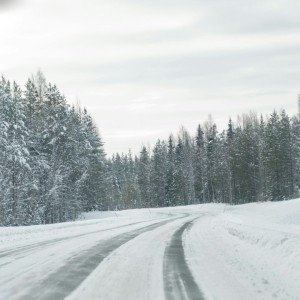
Utah’s winter climate poses unique challenges for buildings, bridges, and roadways. When water seeps into small cracks and freezes, it expands, gradually widening the damage. This freeze-thaw cycle is one of the leading causes of structural deterioration. Over time, concrete spalls, asphalt buckles, and roofing systems weaken.
Snow and ice accumulation also place significant weight on roofs and parking structures. Without proper design and maintenance, that added load can stress structural components, leading to safety concerns or costly repairs. Our structural engineers often see the results of underestimated snow loads or deferred maintenance after a particularly heavy winter.
By understanding local conditions and weather patterns, McNeil Engineering designs solutions that anticipate these challenges—protecting both new and existing structures.
Preparing for Winter: The Engineer’s Checklist
Good engineering isn’t just about reacting to problems—it’s about preventing them. Before the first snowfall, engineers and property managers should review their buildings and infrastructure to ensure they’re ready for the season.
Here are a few key areas we focus on during pre-winter inspections:
-
Roof Systems: Checking drainage, flashing, and insulation to prevent leaks and ice dams.
-
Parking Structures: Inspecting for cracks, corrosion, and joint sealant wear before snow and salt accelerate deterioration.
-
Pavement and Sidewalks: Addressing small cracks to avoid freeze-thaw damage and ensuring proper grading for drainage.
-
Mechanical Systems: Verifying that heating, ventilation, and snow melt systems are performing efficiently.
-
Drainage and Runoff: Ensuring catch basins and stormwater systems are clear to handle melting snow and prevent flooding.
A thorough inspection and maintenance plan can make all the difference between a smooth winter and a season of costly emergencies.
Winter Design Considerations
Utah’s elevation and temperature swings make it critical for engineers to incorporate winter-specific design strategies. Structural engineers calculate snow loads carefully based on regional data, ensuring roofs and decks can handle extreme weather. Civil engineers design drainage systems that prevent ice buildup and ensure water moves away from structures.
Even landscaping plays a role. Salt-resistant plants, proper grading, and retaining walls can reduce erosion and water damage during spring melt. Every design element—from concrete mix to expansion joints—must account for the stress that cold weather brings.
At McNeil Engineering, our teams consider every seasonal factor during the design phase. The result is infrastructure that performs as well in February as it does in July.
The Importance of Ongoing Maintenance
Winter weather doesn’t just affect construction sites—it impacts long-term maintenance. The combination of snow, salt, and moisture is especially tough on parking structures, bridges, and roadways. Regular inspections during and after the winter season help identify early signs of damage, such as spalling, rust, or joint failure.
Preventive maintenance is often far more cost-effective than reactive repair. For example, sealing cracks in a parking structure before winter can prevent thousands of dollars in damage caused by saltwater infiltration.
Our engineers provide detailed condition assessments and maintenance recommendations that help clients plan repairs strategically, protecting their investments for years to come.
Keeping Projects Moving in Winter
Construction doesn’t stop when the temperature drops—it just requires extra planning. McNeil Engineering works with contractors and owners to ensure projects stay on schedule, even in cold weather. This may mean adjusting timelines, using specialized materials, or sequencing work to minimize weather-related delays.
For example, cold-weather concrete mixes and temporary heating systems allow crews to pour foundations and perform structural repairs safely during the winter months. Experienced engineering oversight ensures these materials cure properly and maintain their strength long after the snow melts.
Building for Utah’s Winters
Utah’s climate demands resilient, well-planned engineering solutions. Whether it’s designing structures that withstand heavy snow, maintaining parking facilities through harsh conditions, or ensuring infrastructure remains safe and functional year-round, McNeil Engineering has the experience to get it done right.
Our engineers understand the challenges unique to Utah winters—and we plan for them from the start.
Is your property or project ready for the next cold season?
Contact McNeil Engineering today to schedule an inspection, assessment, or consultation. Together, we’ll make sure your structures stay safe, efficient, and built to handle whatever winter brings.