Benefits of laser scanning in restoration and conservation
Digital documentation: Laser scanning allows for creating highly accurate and detailed digital replicas, capturing intricate details of heritage structures or artifacts. This documentation is a valuable resource for future reference and research, especially if the original is lost or damaged.
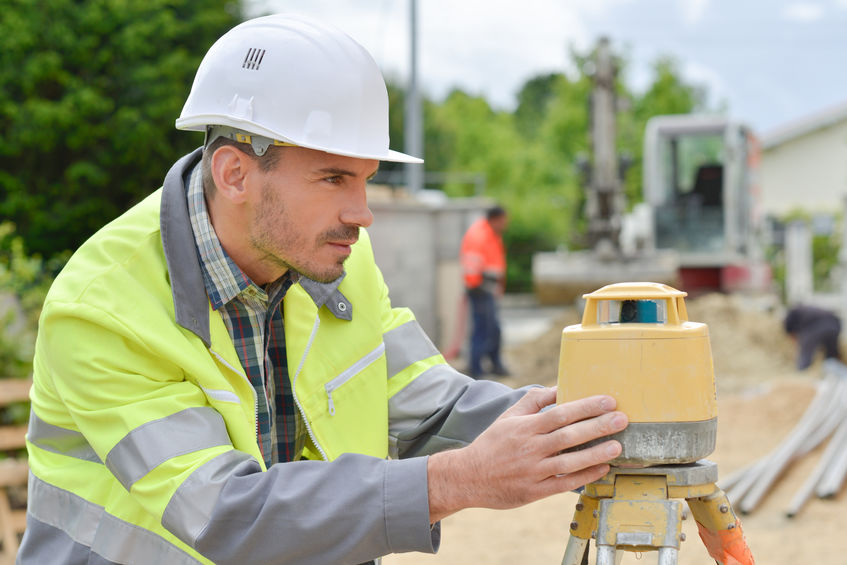
Precise measurements: Traditional methods of measuring heritage sites or artifacts can be time-consuming and prone to human errors. Laser scanning eliminates these challenges by providing precise measurements within a short period. This data aids in restoring missing or damaged elements with utmost precision.
Virtual restoration: Laser scanning enables experts to restore deteriorated structures or artifacts virtually. By analyzing the 3D model, researchers can simulate and test different restoration scenarios without risking any damage to the original. This technique helps make informed decisions about the materials, techniques, and processes necessary for restoration.
Structural analysis: Laser scanning allows engineers and architects to assess the structural integrity of heritage sites. By analyzing the 3D model and identifying potential weaknesses or deformities, they can develop strategies to reinforce the structures and prevent further deterioration.
Accessibility and education: Laser scanning facilitates virtual tours, allowing people worldwide to explore heritage sites that may be otherwise inaccessible. It also aids in educational efforts by enabling students and researchers to examine and analyze heritage artifacts and structures remotely.
Successful applications of laser scanning
Consider the restoration of a historic cathedral, where traditional measurement methods might fall short. Laser scanning can accurately capture the dimensions of every arch, pillar, and window with unparalleled precision. This data is then transformed into a digital model, serving as a roadmap for restoration efforts. Engineers and architects can collaborate on potential interventions while maintaining the original architectural intent.
Moreover, when dealing with intricate decorative elements, like the delicate stonework on the façade of a historical building, laser scanning captures every groove and flourish. This comprehensive dataset allows craftsmen to accurately replicate the ornamental details, ensuring that the restored elements are true to the original design.
The application of laser scanning for restoration and conservation has been seen in various heritage projects worldwide. For instance, the UNESCO World Heritage site, Bagan in Myanmar, utilized laser scanning to document thousands of ancient temples digitally, enabling precise restoration efforts after an earthquake. The Pitt Rivers Museum in Oxford, UK, used laser scanning to digitize and preserve delicate indigenous artifacts, allowing easier access for researchers and reducing physical handling.
Prospects
Laser scanning technology continues to evolve, with advancements in accuracy, speed, and portability. These improvements make it easier for heritage sites and museums to incorporate laser scanning into their conservation efforts. The ability to capture finer details and obtain higher resolution scans will enhance restoration accuracy and enable more detailed analysis of heritage objects.
Our team at McNeil Engineering combines our knowledge of civil engineering and architectural preservation to leverage laser scanning technology for preserving heritage sites.
Our approach involves a meticulous process of scanning, data analysis, and collaboration with preservationists and architects. By merging laser scanning with our deep expertise, we deliver results that are not only accurate but also considerate of the historical and cultural significance of the structure.
Visit our website to learn more about our innovative solutions and how we can help preserve the architectural treasures that define our history. Join us in our mission to honor the past while embracing the possibilities of tomorrow.