- Roof Systems: Checking drainage, flashing, and insulation to prevent leaks and ice dams.
- Parking Structures: Inspecting for cracks, corrosion, and joint sealant wear before snow and salt accelerate deterioration.
- Pavement and Sidewalks: Addressing small cracks to avoid freeze-thaw damage and ensuring proper grading for drainage.
- Mechanical Systems: Verifying that heating, ventilation, and snow melt systems are performing efficiently.
- Drainage and Runoff: Ensuring catch basins and stormwater systems are clear to handle melting snow and prevent flooding.
General
Engineering Through the Winter in Utah
By McNeil Engineering·7 min read
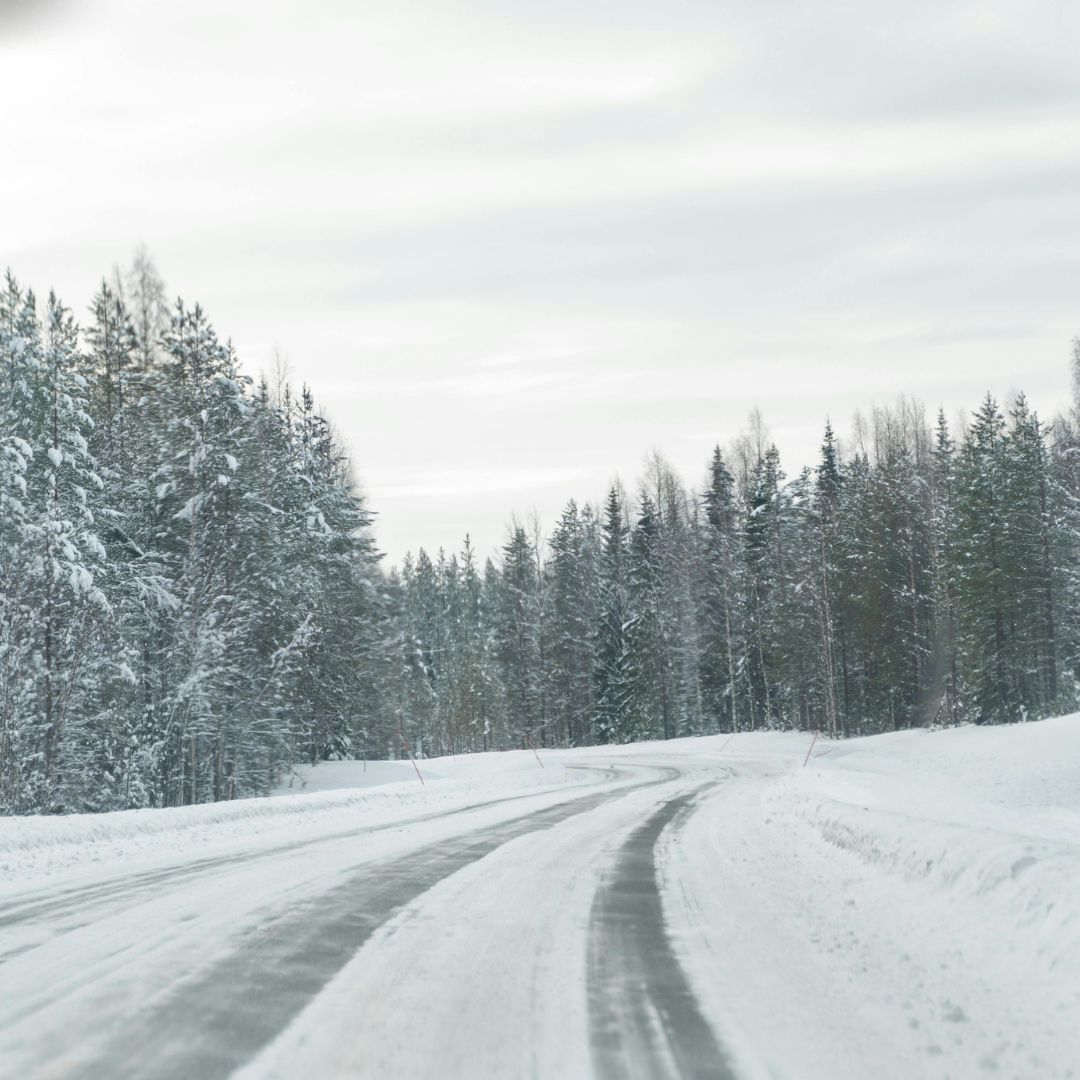
Winter in Utah brings more than snow-capped mountains and ski season. For engineers, it signals a time to focus on safety, durability, and proactive problem-solving. Cold weather, freeze-thaw cycles, and heavy snow loads can all take a toll on infrastructure. At McNeil Engineering, we know how to keep projects on track and structures protected, no matter how low the temperature drops.
The Impact of Cold Weather on Infrastructure
Utah’s winter climate poses unique challenges for buildings, bridges, and roadways. When water seeps into small cracks and freezes, it expands, gradually widening the damage. This freeze-thaw cycle is one of the leading causes of structural deterioration. Over time, concrete spalls, asphalt buckles, and roofing systems weaken.
Snow and ice accumulation also place significant weight on roofs and parking structures. Without proper design and maintenance, that added load can stress structural components, leading to safety concerns or costly repairs. Our structural engineers often see the results of underestimated snow loads or deferred maintenance after a particularly heavy winter.
By understanding local conditions and weather patterns, McNeil Engineering designs solutions that anticipate these challenges—protecting both new and existing structures.
Preparing for Winter: The Engineer’s Checklist
Good engineering isn’t just about reacting to problems—it’s about preventing them. Before the first snowfall, engineers and property managers should review their buildings and infrastructure to ensure they’re ready for the season.
Here are a few key areas we focus on during pre-winter inspections: